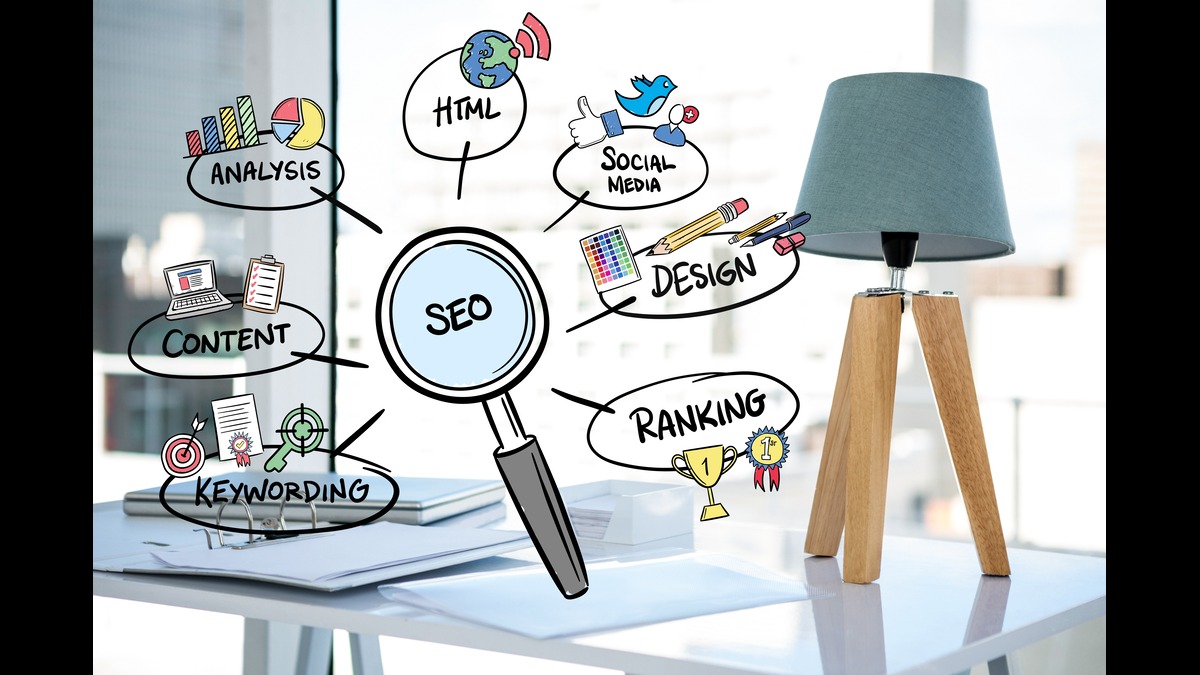
When launching a new business, one of the most crucial decisions is whether to invest in SEO or paid ads to drive traffic and generate leads. Both strategies offer unique benefits, but they serve different purposes and deliver varying results. SEO (Search Engine Optimization) focuses on improving organic search rankings through content optimization, link building, and technical SEO. While it may take time to see significant results, the long-term benefits of SEO, such as sustained traffic and credibility, can be substantial. On the other hand, paid ads, like Google Ads or social media campaigns, provide immediate visibility and can generate instant traffic.
However, they require continuous investment to maintain results. Understanding the strengths and weaknesses of both SEO and paid ads is crucial for new businesses to determine which strategy aligns with their goals, budget, and timeline. In this article, we’ll break down the key differences to help you make an informed decision.
What is SEO and How Does It Benefit New Businesses?
SEO (Search Engine Optimization) is the practice of optimizing your website so that it ranks higher in search engine results pages (SERPs). For new businesses, SEO can be a powerful long-term strategy to increase visibility and organic traffic without relying on continuous paid ads.
Benefits of SEO for New Businesses:
- Cost-Effective Long-Term Strategy: While SEO requires upfront time and resources, it can result in sustainable, cost-free traffic once rankings are established. Unlike paid ads, you don’t need to continually invest in ads to maintain visibility.
- Increased Organic Traffic: With higher rankings in search engines, your website can attract more visitors, leading to higher conversion rates.
- Builds Trust and Credibility: Websites that rank high in organic search are often perceived as more authoritative and trustworthy by users. This trust is crucial for new businesses aiming to establish a solid online reputation.
- Targeted Audience Reach: SEO helps your business reach people who are actively searching for products or services related to your niche. This results in more qualified leads.
- Improved User Experience: SEO also focuses on improving website usability and mobile responsiveness, leading to better user experiences, which can reduce bounce rates and increase conversions.
Related Article:- Top 10 Digital Marketing Trends to Watch in 2025
Key Components of SEO:
- On-Page SEO: Involves optimizing page content, titles, and meta descriptions to align with user search intent.
- Technical SEO: Ensures that your website is easily crawlable by search engines and optimized for speed and mobile use.
- Link Building: Acquiring high-quality backlinks from reputable websites boosts your site’s authority and search engine rankings.
SEO is a marathon, not a sprint. It takes time to see results, but for new businesses, the effort can pay off in the form of steady growth and brand recognition.
Related Article:- The Importance of UX in Digital Marketing Campaigns for Success
Understanding Paid Ads: A Quick Solution for Instant Traffic
Paid advertising, such as Google Ads, Facebook Ads, and other pay-per-click (PPC) campaigns, allows new businesses to quickly drive targeted traffic to their websites by paying for visibility in search results or on social platforms.
Benefits of Paid Ads for New Businesses:
- Immediate Visibility: Paid ads deliver instant results, putting your business in front of potential customers as soon as the campaign is live.
- Highly Targeted Reach: Ads can be tailored to target specific demographics, locations, interests, and behaviors, ensuring your message reaches the right audience.
- Measurable Results: One of the key advantages of paid ads is the ability to track and measure every aspect of the campaign. Metrics like clicks, conversions, and ROI can help optimize future ad spend.
- Scalable: Paid ads offer scalability, allowing businesses to adjust their budgets and target markets based on performance and business needs. You can scale up or down as needed.
- Customizable Ad Formats: Paid ads come in many formats—text ads, display banners, video ads, and more—enabling businesses to create varied, engaging content for their audience.
Key Types of Paid Ads:
- Google Ads: Allows businesses to bid for top positions on Google’s search results pages for specific keywords.
- Social Media Ads: Platforms like Facebook, Instagram, and LinkedIn offer robust targeting options for reaching specific customer segments.
- Display Ads: Banner ads displayed on other websites within a network of advertisers. Ideal for brand awareness.
While paid ads provide quick results, they require ongoing investment, and once the budget runs out, the traffic stops. It’s a great solution for businesses looking to gain quick visibility, but it doesn’t offer the long-term benefits that SEO can.
Related Article:- How to Balance Hyper-Personalization with Data Privacy and Ethical AI?
SEO vs. Paid Ads: Key Differences for Business Growth
When comparing SEO and paid ads, it’s important to understand the distinct advantages and limitations of each strategy, as both play unique roles in a comprehensive digital marketing plan.
Key Differences:
- Cost:
- SEO: While there are costs involved in content creation, link building, and technical optimization, SEO doesn’t require ongoing payments to maintain visibility once your site ranks.
- Paid Ads: Paid ads require a continuous budget to maintain traffic and visibility. The cost increases with competition and the amount of traffic you want to drive.
- Speed of Results:
- SEO: Results can take months to materialize. It’s a long-term strategy that builds traffic over time as your site gains authority.
- Paid Ads: Offer immediate results. Once you launch a campaign, you can see traffic and conversions within hours or days.
- Sustainability:
- SEO: Provides sustainable, long-term traffic and brand authority. Once you rank well, organic traffic continues with less maintenance.
- Paid Ads: Traffic stops as soon as you stop paying for ads. This makes paid ads less sustainable in the long run unless they are constantly funded.
- Long-Term Impact:
- SEO: Focuses on creating high-quality content, improving site structure, and gaining backlinks, which improves the user experience and search rankings over time.
- Paid Ads: Focus on driving immediate conversions but doesn’t have long-lasting impact beyond the duration of the campaign.
- Brand Trust:
- SEO: Organic results tend to build more trust with users, as people tend to click on organic results more often than ads.
- Paid Ads: Ads can appear intrusive, and some users may skip over them. However, they do provide brand visibility.
Which Should You Choose?
Both SEO and paid ads have their place in digital marketing, and many successful businesses use a combination of both. SEO is ideal for long-term, sustainable growth, while paid ads are great for short-term visibility and immediate results.
Related Article:- How to Optimize for Answer Engine Optimization (AEO)?
Which Strategy Is Right for Your New Business: SEO or Paid Ads?
Choosing between SEO and paid ads depends on several factors, including your business goals, budget, timeline, and industry competition. Both strategies can work well for new businesses, but each has its own advantages depending on your situation.
When to Choose SEO:
- Long-Term Vision: If your goal is to build organic traffic and establish lasting brand credibility, SEO is a great choice. It’s perfect for businesses looking to grow sustainably without constantly paying for traffic.
- Limited Budget: If you have a limited marketing budget, SEO can provide more cost-effective results over time, as it doesn’t require continuous ad spend.
- Competition: If your market has lower competition or a high search volume for specific keywords, SEO can help you rank higher in organic search results and attract more customers.
When to Choose Paid Ads:
- Quick Results: If you need immediate visibility and traffic (for example, during product launches or promotions), paid ads can deliver fast results.
- Targeted Campaigns: Paid ads are ideal if you need to reach a very specific demographic or geographic audience quickly, and you have the budget to manage it.
- Testing & Optimization: Paid ads allow you to quickly test different messages, designs, and offers, helping you refine your approach before committing to longer-term SEO efforts.
Hybrid Approach:
- Best of Both Worlds: Many businesses find that a combination of both SEO and paid ads works best. Paid ads can drive immediate traffic, while SEO provides the long-term growth. Using both strategies in tandem allows businesses to build brand awareness while nurturing organic traffic.
Related Article:- How to Create a Data-Driven Digital Marketing Plan?
Conclusion
In conclusion, both SEO and paid ads offer valuable benefits for new businesses, but the right strategy depends on your goals, budget, and timeline. SEO is a long-term investment that builds organic traffic, brand trust, and sustainable growth, while paid ads provide immediate results and targeted visibility. Ideally, a combination of both strategies can maximize your reach and effectiveness, helping you establish a strong online presence from the outset. By understanding the strengths and weaknesses of each, you can make an informed decision that aligns with your business objectives and drives success in the competitive digital landscape.
FAQs
1. What is the main difference between SEO and paid ads?
SEO focuses on improving organic search rankings over time, while paid ads provide instant visibility but require ongoing investment. SEO offers long-term growth, while paid ads drive immediate traffic.
2. Can SEO alone generate traffic for a new business?
Yes, SEO can drive significant organic traffic for new businesses by improving search engine rankings and building brand authority, but it takes time to see substantial results.
3. How quickly can paid ads deliver results for a new business?
Paid ads provide immediate traffic and visibility. Once you launch a campaign, you can start seeing results within hours or days, depending on your budget and targeting.
4. Is SEO cost-effective for startups and small businesses?
Yes, SEO can be a cost-effective strategy for startups. While there are initial costs for optimization, it provides long-term, sustainable traffic without the need for continuous payments.
5. Should new businesses use SEO, paid ads, or both?
A combination of SEO and paid ads can be the most effective strategy. Paid ads offer quick results, while SEO ensures long-term organic growth, creating a balanced digital marketing approach.