The Internet of Things continues to evolve rapidly, connecting billions of devices and transforming how industries operate and deliver services. Businesses are increasingly using connected technologies to collect real-time data, automate processes, and improve decision-making across sectors such as healthcare, manufacturing, transportation, and smart cities. As digital ecosystems become more complex, organizations are focusing on scalable infrastructure, secure data exchange, and intelligent analytics to maximize the value of connected devices.
These developments are shaping several important IoT trends in 2026, where the integration of artificial intelligence, edge computing, and high-speed connectivity is expected to drive smarter and more responsive systems. Companies are also prioritizing stronger cybersecurity frameworks and better device management as the number of connected endpoints continues to grow. With innovations in 5G networks, cloud-edge collaboration, and AI-powered automation, IoT is becoming a key foundation for digital transformation and data-driven operations across modern enterprises.
Top IoT Trends in 2026
1. AI-Powered IoT (AIoT)
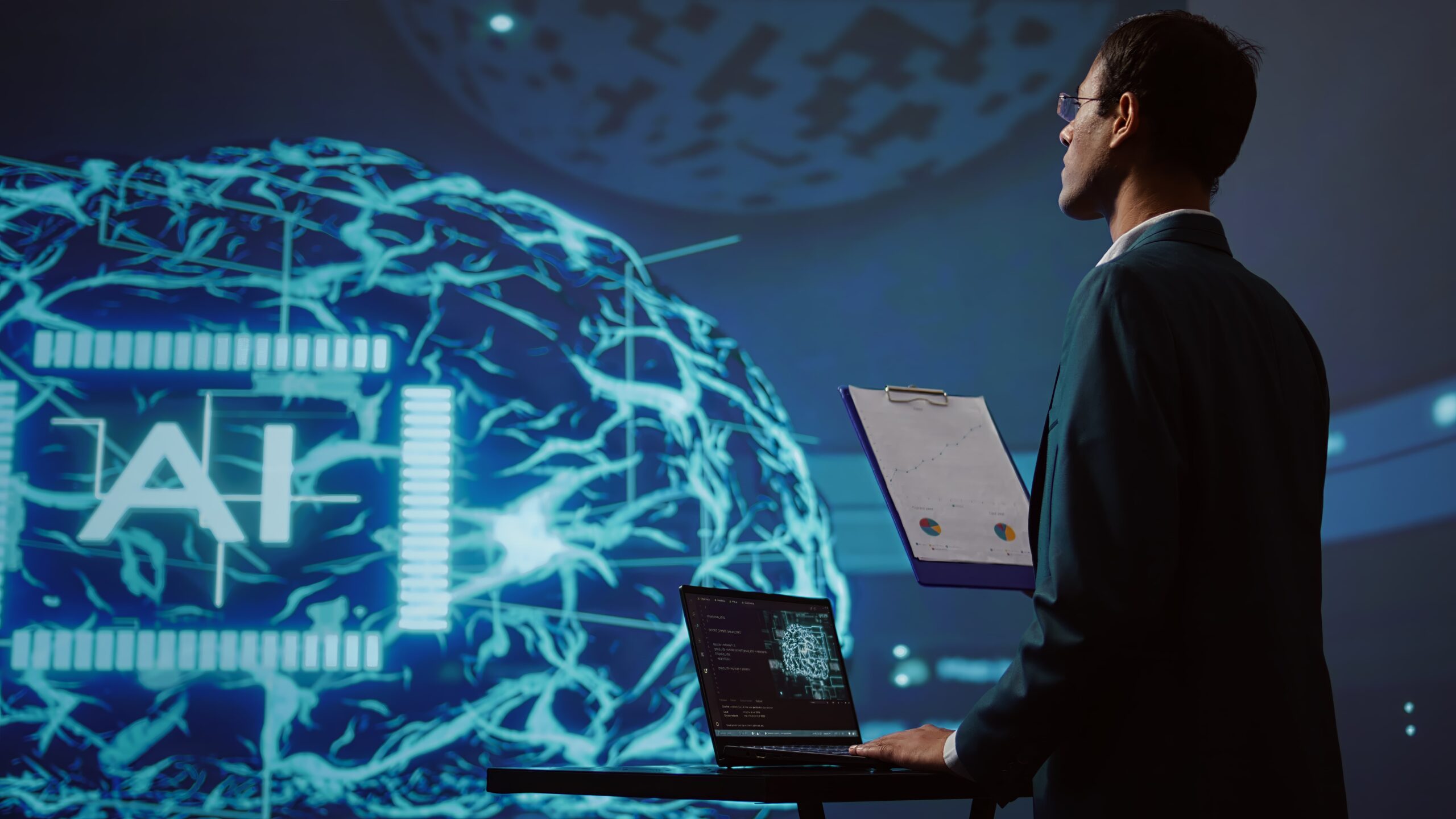
Artificial intelligence is increasingly being integrated with connected devices, creating what is commonly known as AIoT (Artificial Intelligence of Things). This combination allows devices to not only collect data but also analyze and act on it in real time.
- Devices can process large volumes of data automatically and make intelligent decisions without human intervention.
- AI algorithms help businesses perform predictive maintenance, identifying equipment failures before they occur.
- Smart systems can analyze user behavior and optimize services accordingly.
- Industries such as healthcare, manufacturing, and logistics are adopting AIoT to improve efficiency and reduce operational costs.
- Edge-based AI models allow devices to process data locally, reducing latency and dependency on cloud infrastructure.
As organizations focus on automation and real-time insights, AI-driven IoT systems are becoming a core component of digital transformation strategies.
2. Edge Computing Integration
Edge computing is becoming a major driver in the evolution of connected ecosystems. Instead of sending all device data to centralized cloud servers, processing happens closer to where the data is generated.
- Devices can analyze data locally, enabling faster decision-making.
- Reduced latency improves performance in time-sensitive applications such as autonomous vehicles and industrial automation.
- It decreases the amount of data transferred to the cloud, helping reduce bandwidth costs.
- Edge processing enhances data privacy and security by keeping sensitive information closer to the source.
- Smart factories and industrial IoT systems rely heavily on edge infrastructure for real-time monitoring.
As the number of connected devices grows, edge computing will play a crucial role in ensuring scalable and efficient IoT deployments.
3. 5G-Enabled IoT Connectivity
The expansion of 5G networks is unlocking new possibilities for connected technologies. Faster speeds, lower latency, and greater device capacity are enabling more advanced IoT applications.
- 5G networks support massive numbers of connected devices simultaneously.
- Ultra-low latency enables real-time communication for smart transportation and remote operations.
- Industries can deploy high-performance IoT systems in manufacturing, healthcare, and logistics.
- Smart cities can manage traffic systems, surveillance networks, and infrastructure monitoring more effectively.
- Reliable connectivity improves the performance of industrial automation and robotics.
With global 5G adoption increasing, businesses are expected to build more sophisticated IoT ecosystems that rely on high-speed connectivity.
4. Digital Twins for Smart Systems
Digital twin technology is gaining momentum as organizations seek better ways to monitor and manage physical assets. A digital twin is a virtual replica of a physical object, system, or process.
- Businesses can simulate real-world operations using virtual models.
- Sensors collect real-time data that keeps digital twins updated with actual performance.
- Engineers can test scenarios and identify potential issues before they occur.
- Digital twins improve product design, maintenance planning, and operational efficiency.
- Industries such as manufacturing, construction, and energy are adopting this technology widely.
By combining IoT sensors with digital modeling, organizations can gain deeper insights into system performance and make data-driven improvements.
5. Enhanced IoT Security and Zero-Trust Architecture
As billions of devices become connected to networks, security has become a critical concern. Organizations are adopting advanced security models to protect connected environments.
- Zero-trust frameworks ensure every device and user must be verified before accessing systems.
- Advanced encryption helps protect sensitive data transmitted between devices.
- Continuous monitoring helps detect suspicious activity and potential cyber threats.
- Secure firmware updates keep devices protected from vulnerabilities.
- Regulatory compliance is driving businesses to implement stronger security practices.
Strengthening cybersecurity will remain a priority as IoT deployments expand across industries and infrastructure.
6. IoT in Smart Cities
Cities worldwide are investing in connected technologies to improve urban living and infrastructure management.
- Smart sensors help monitor traffic flow, pollution levels, and energy usage.
- Connected lighting systems reduce electricity consumption and maintenance costs.
- Waste management systems use sensors to optimize collection routes.
- Public safety can be improved through intelligent surveillance and emergency response systems.
- Smart parking solutions help drivers find available spaces quickly.
As urban populations continue to grow, IoT-powered smart city initiatives are becoming essential for sustainable and efficient city management.
7. Industrial IoT (IIoT) Expansion
Industrial IoT continues to transform manufacturing and production environments by enabling data-driven operations.
- Sensors monitor machinery performance and detect early signs of equipment failure.
- Automated production lines improve efficiency and productivity.
- Data analytics helps optimize supply chains and resource utilization.
- Real-time monitoring allows managers to identify operational inefficiencies quickly.
- Robotics and automation systems can communicate with IoT platforms for coordinated operations.
Industrial IoT solutions are helping organizations reduce downtime, lower maintenance costs, and improve overall operational performance.
8. IoT for Healthcare and Remote Monitoring
Connected health technologies and agentic AI based healthcare technologies are improving patient care through real-time monitoring and remote healthcare services.
- Wearable devices can track heart rate, blood pressure, and other vital signs.
- Doctors can monitor patients remotely and provide timely medical advice.
- Hospitals use connected devices to track medical equipment and patient data.
- Smart healthcare systems help reduce hospital visits through remote diagnostics.
- IoT-based systems improve efficiency in hospital management and patient care.
With the increasing demand for telemedicine and remote healthcare services, connected medical devices are becoming more widely adopted.
9. Sustainable IoT and Green Technology
Sustainability is becoming an important focus in IoT development as organizations aim to reduce environmental impact.
- Smart energy management systems help optimize power consumption.
- IoT sensors monitor environmental conditions such as air quality and water usage.
- Businesses use connected devices to reduce waste and improve resource efficiency.
- Renewable energy systems can be managed more effectively using IoT monitoring tools.
- Smart agriculture technologies help farmers optimize irrigation and crop management.
These technologies enable organizations to make more environmentally responsible decisions while improving operational efficiency.
10. IoT Data Monetization
As connected devices generate massive amounts of data, organizations are finding new ways to extract value from that information.
- Businesses can analyze device data to gain insights into user behavior and system performance.
- Data collected from connected ecosystems can support new revenue streams.
- Companies can provide data-driven services and analytics platforms to customers.
- Predictive insights help improve product development and customer experiences.
- Data marketplaces allow organizations to share and monetize valuable datasets.
With billions of devices producing continuous streams of information, data monetization will become an increasingly important aspect of IoT strategies.
Conclusion
The rapid evolution of connected technologies is transforming how organizations operate, innovate, and deliver services. As discussed throughout this article, advancements in artificial intelligence, edge computing, 5G connectivity, and data analytics are driving the next phase of digital transformation. These developments are shaping several important IoT trends in 2026, enabling businesses to build smarter systems, improve operational efficiency, and make more informed decisions through real-time insights. At the same time, stronger cybersecurity measures and sustainable technology practices are becoming essential as connected ecosystems expand. Organizations that strategically adopt these innovations will be better positioned to unlock new opportunities, improve customer experiences, and remain competitive in an increasingly data-driven world.
FAQs
1. What are the most important IoT trends in 2026?
Several technological advancements are shaping the future of connected devices in 2026. Key developments include the integration of artificial intelligence with IoT systems, wider adoption of edge computing, faster connectivity through 5G networks, and stronger cybersecurity frameworks. Industries are also exploring digital twins, smart city infrastructure, and data-driven automation to improve operational efficiency and decision-making.
2. How will AI impact IoT development in the coming years?
Artificial intelligence is significantly enhancing the capabilities of connected devices by enabling them to analyze data and make intelligent decisions. AI-powered IoT systems can automate processes, detect patterns, and predict potential issues before they occur. This helps businesses improve efficiency, reduce downtime, and deliver more personalized and responsive services across various industries.
3. Why is edge computing important for IoT ecosystems?
Edge computing plays a crucial role in modern connected environments because it allows data processing to occur closer to the device rather than relying entirely on centralized cloud servers. This reduces latency, improves real-time performance, and lowers bandwidth consumption. It also enhances security and reliability, making it particularly useful for industrial automation and smart infrastructure.
4. How is IoT transforming industries like healthcare and manufacturing?
Connected technologies are enabling industries to monitor operations and assets in real time. In healthcare, wearable devices and remote monitoring systems help doctors track patient health more effectively. In manufacturing, IoT sensors monitor equipment performance, enabling predictive maintenance, improving production efficiency, and reducing costly downtime across industrial facilities.
5. What role will IoT play in future smart cities?
Connected technologies are becoming a key foundation for smart city development. Sensors and connected systems can help manage traffic flow, monitor air quality, optimize energy consumption, and improve public safety. These technologies enable city administrators to make data-driven decisions that improve urban infrastructure, sustainability, and the overall quality of life for residents.